Kuvagalleria
(1/17)
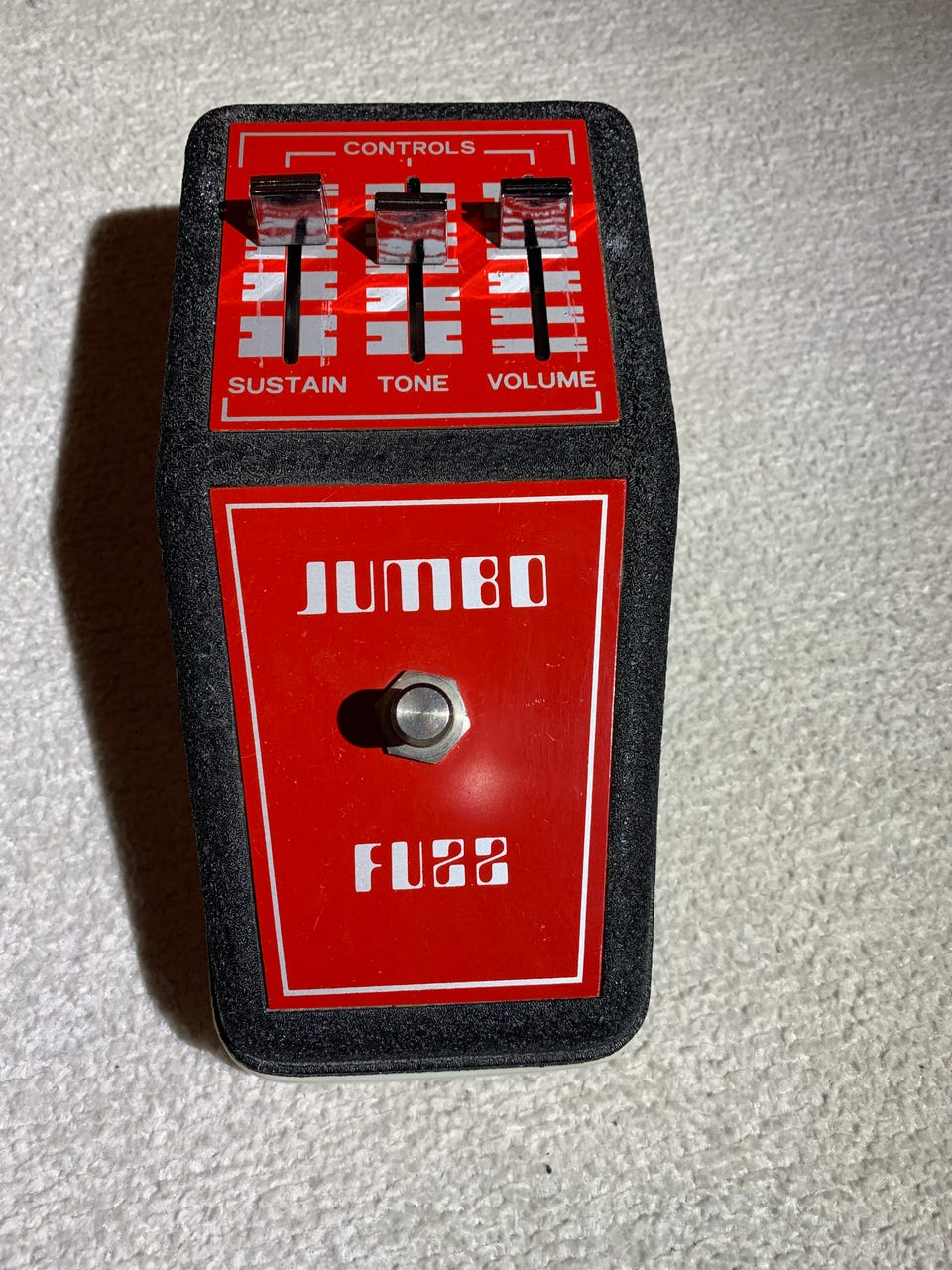
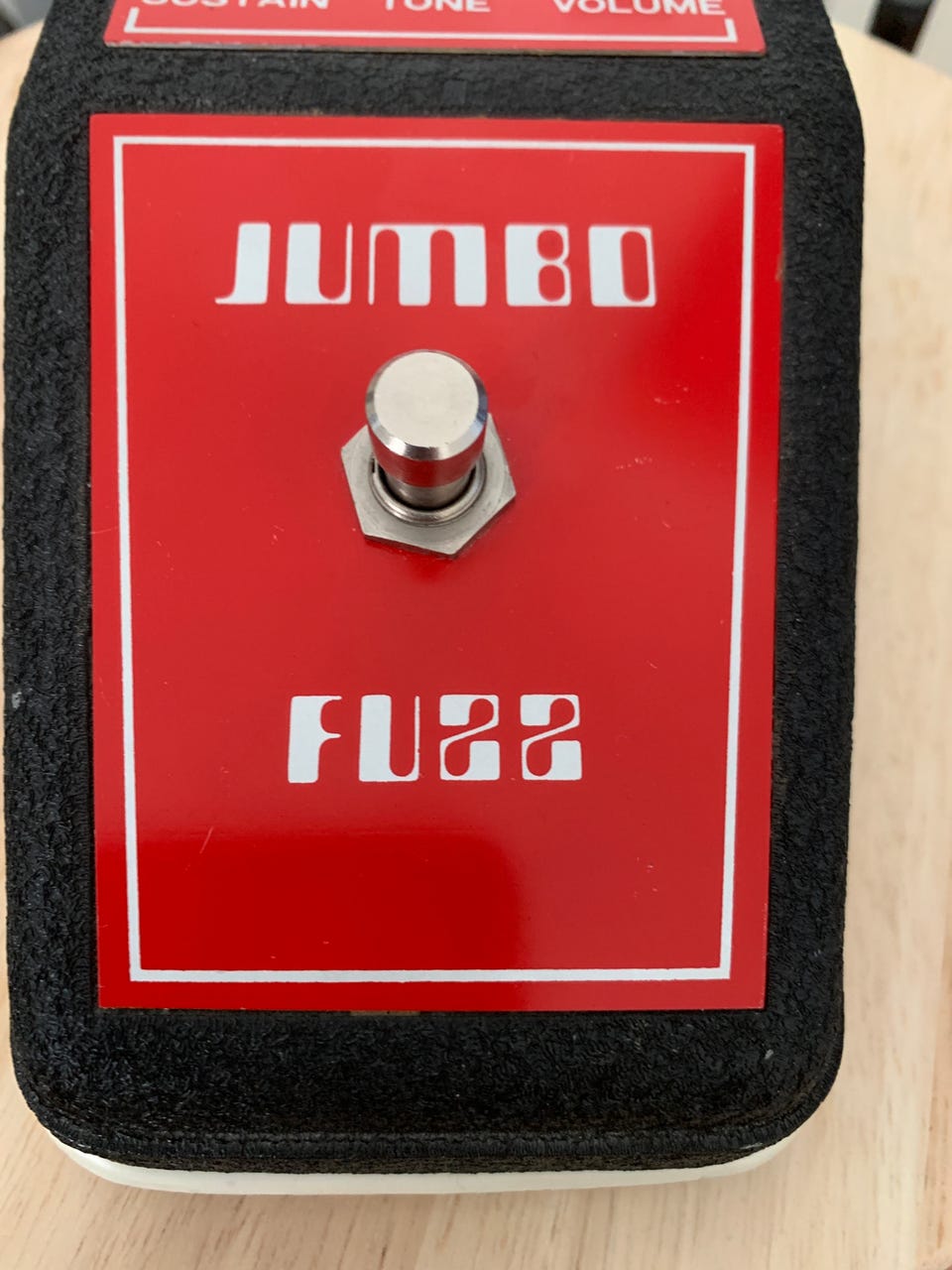
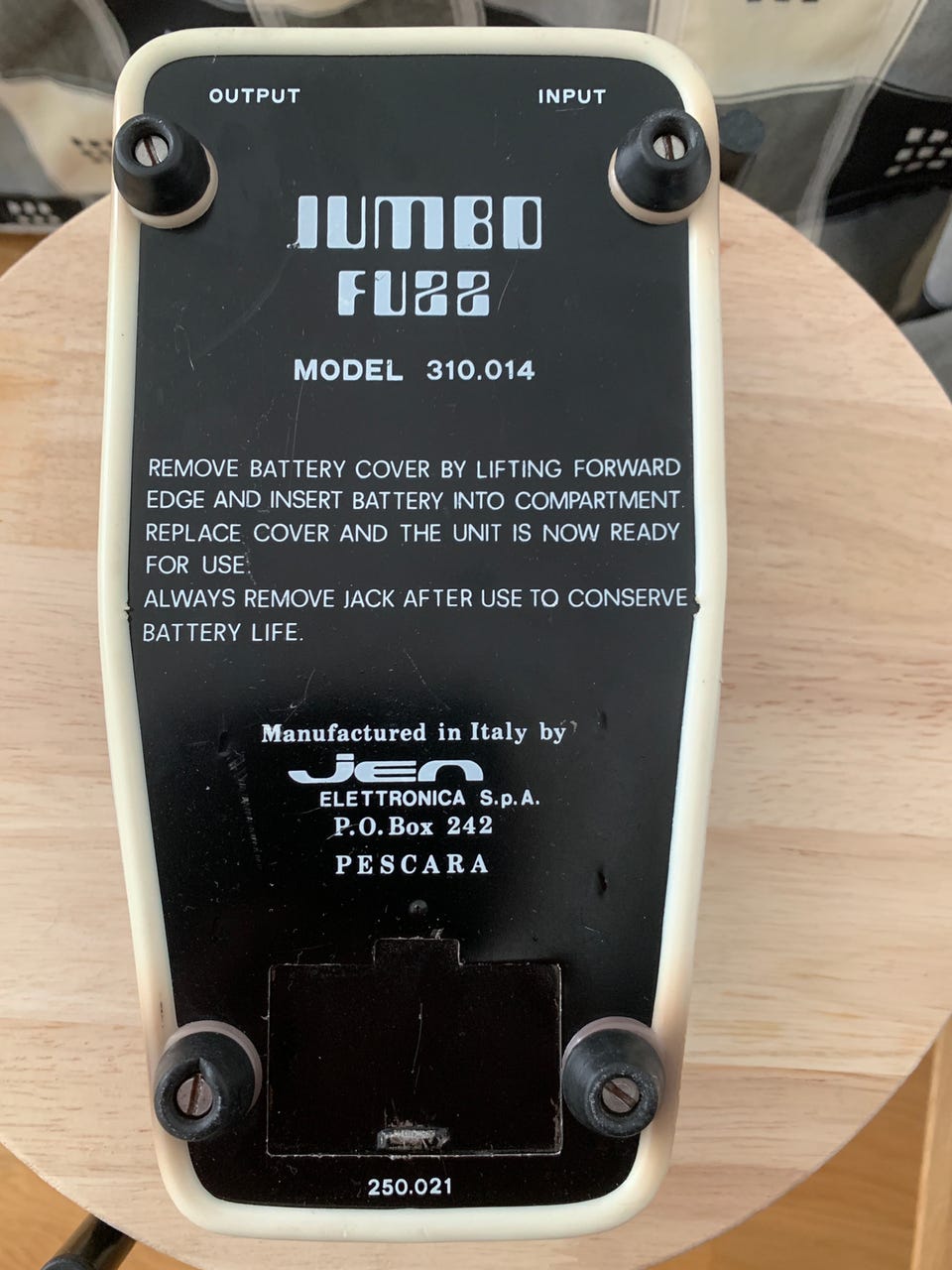
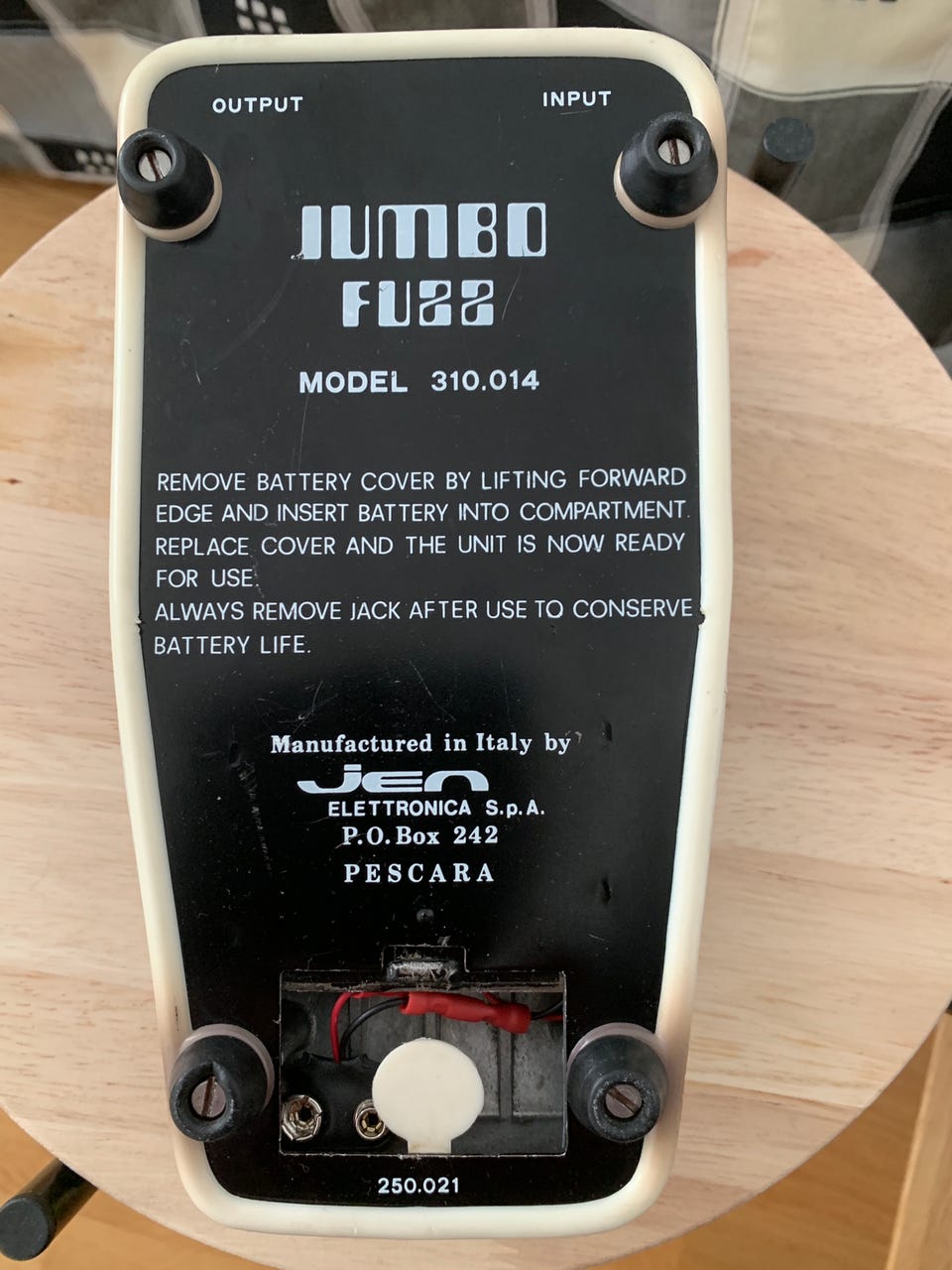
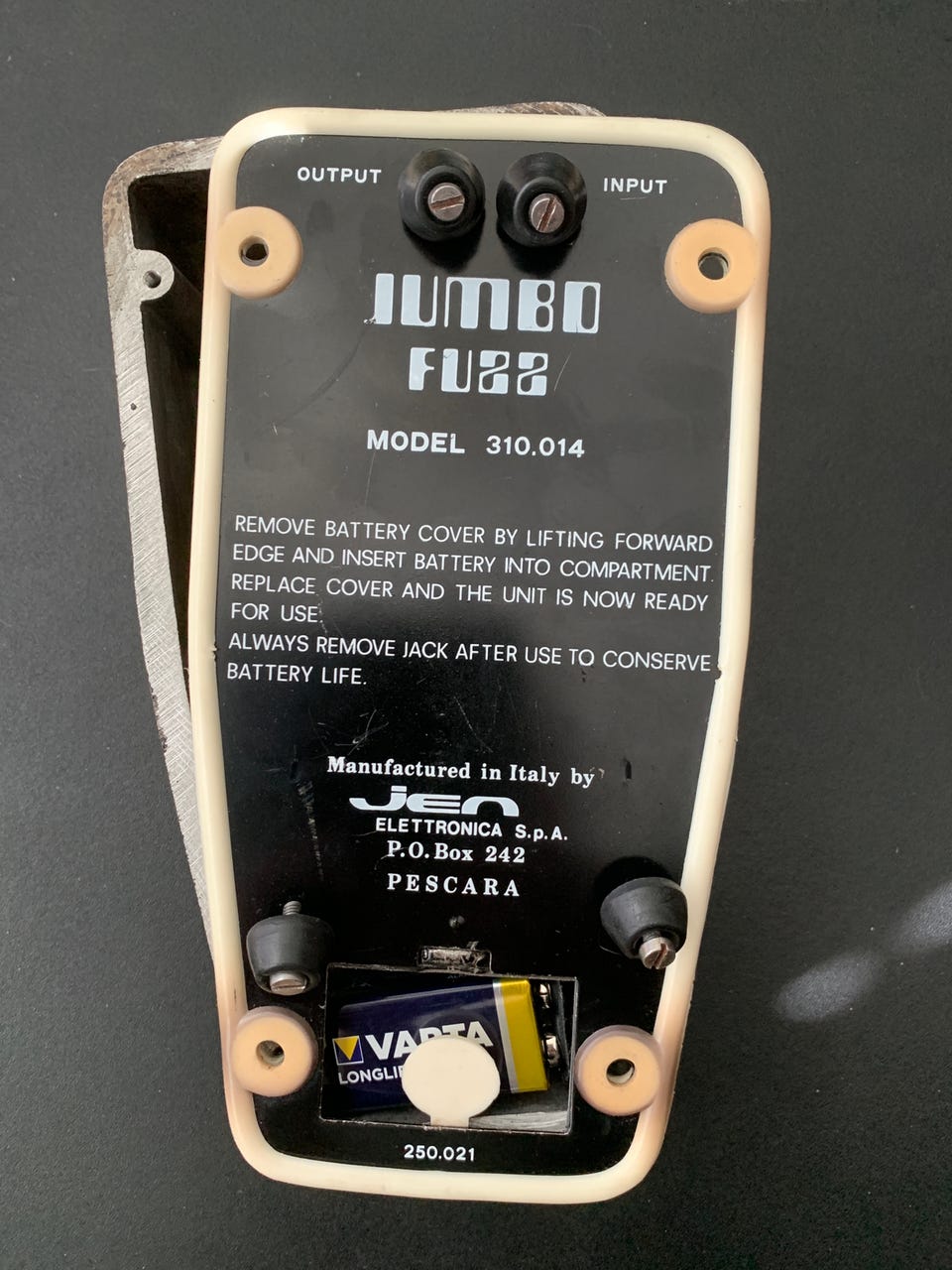
Jen Jumbo Fuzz Pedal Model 310.014 Vintage Made in Italy 1973
Myydään
495 €
Tuotteen kuvaus
Kunto: Hyvä
Kitaran tyyppi: Kitaratarvikkeet
Vuodelta 1973 peräisin oleva, alkuperäinen, harvinainen vintage-pedaali, Jen Model 310.014 Jumbo Fuzz, on kitaristien keskuudessa erittäin kysytty lisävaruste. Italiassa valmistettu pedaali edustaa ainutlaatuista käsityötaitoa ja klassista muotoilua, jotka erottavat sen nykyaikaisista vastineistaan. Vintage-viehätyksensä ja omaleimaisen mallinumeronsa ansiosta tämä pedaali tuo varmasti ripauksen nostalgiaa ja luonnetta mihin tahansa musiikkikokoelmaan.
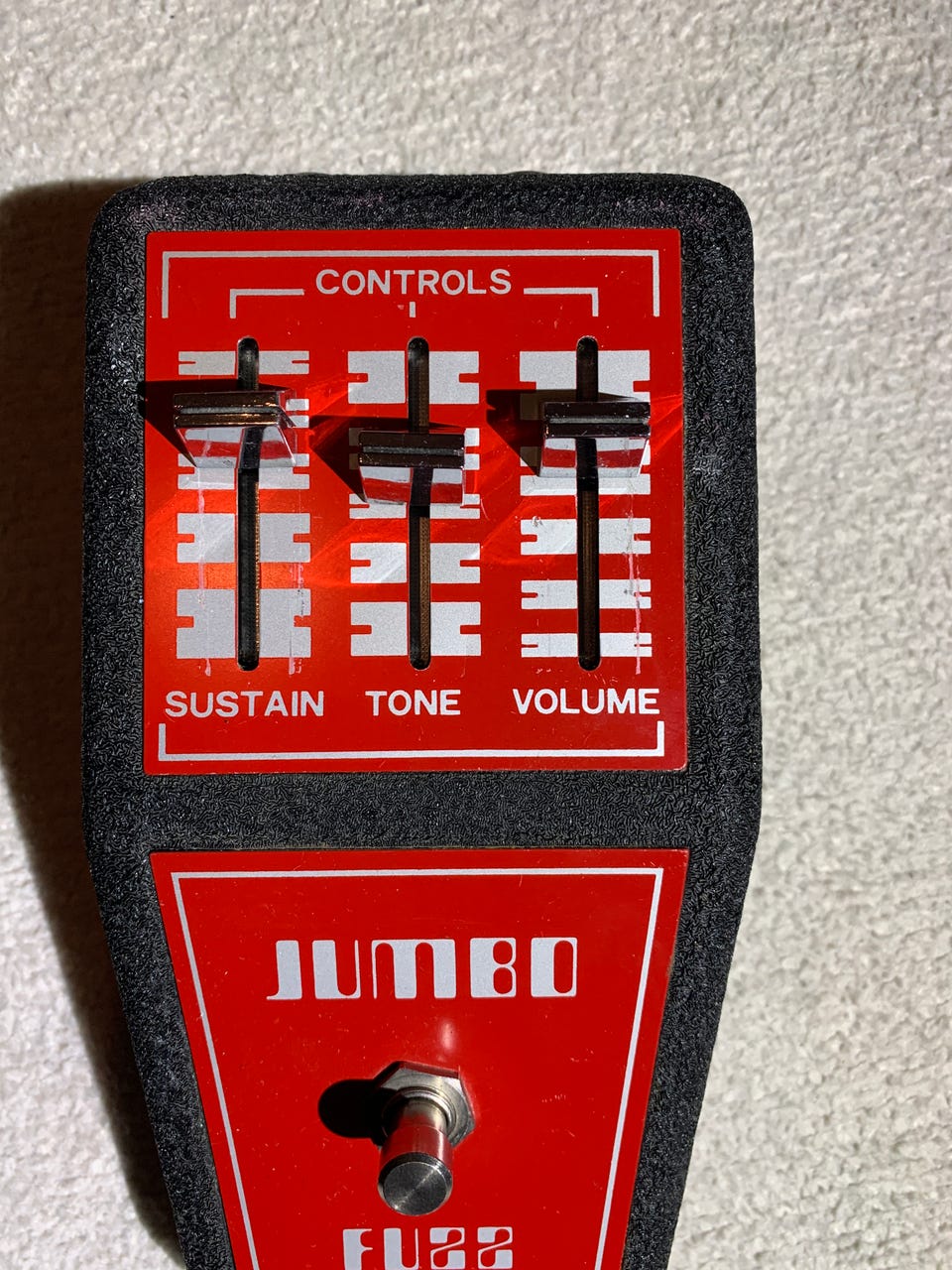
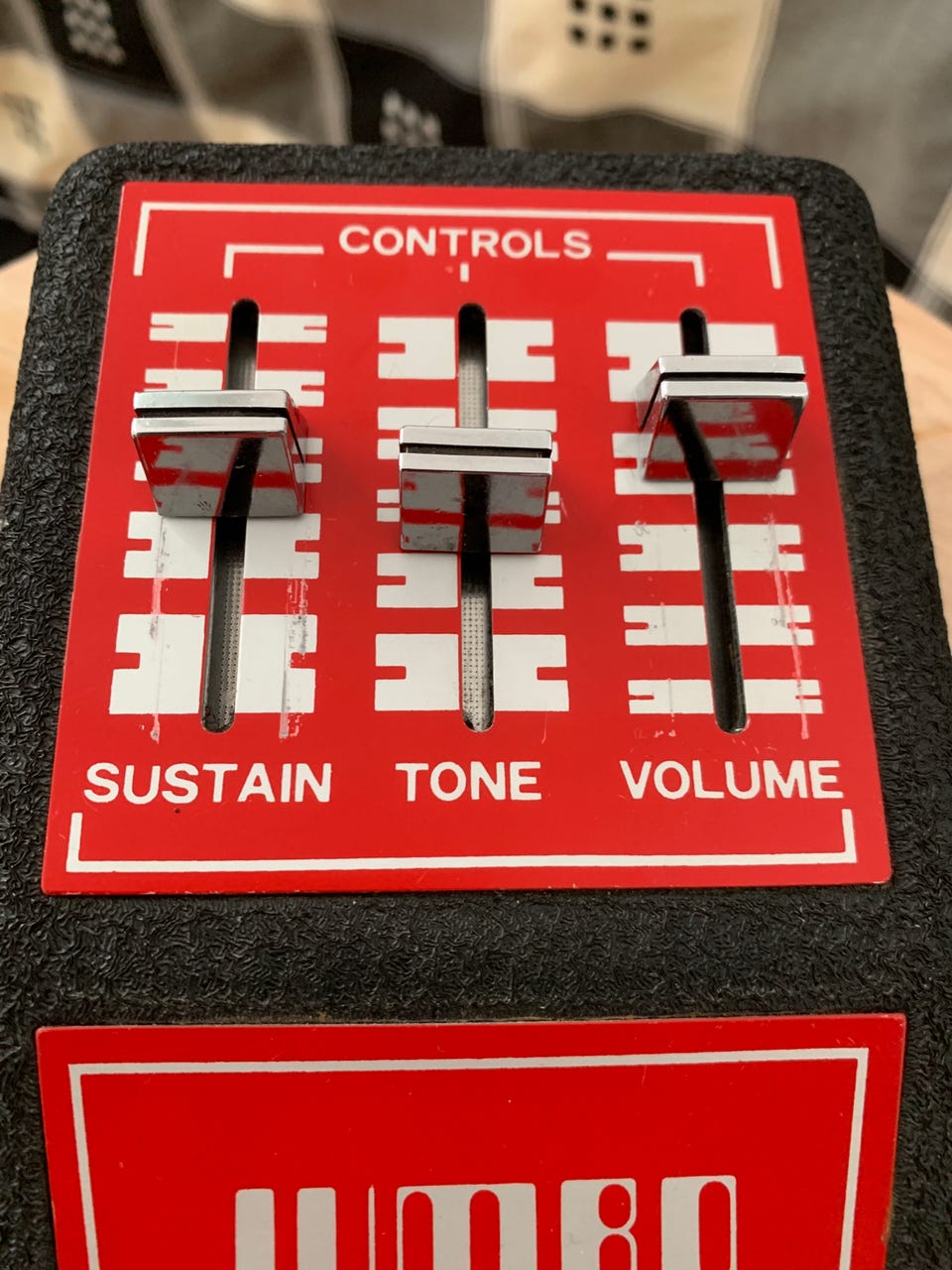
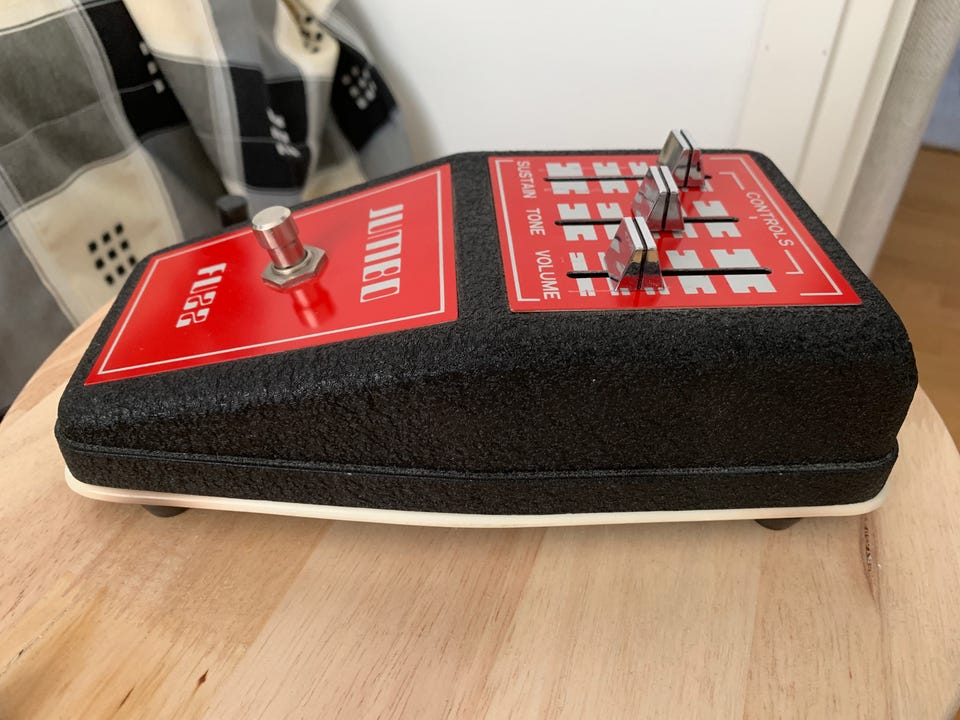
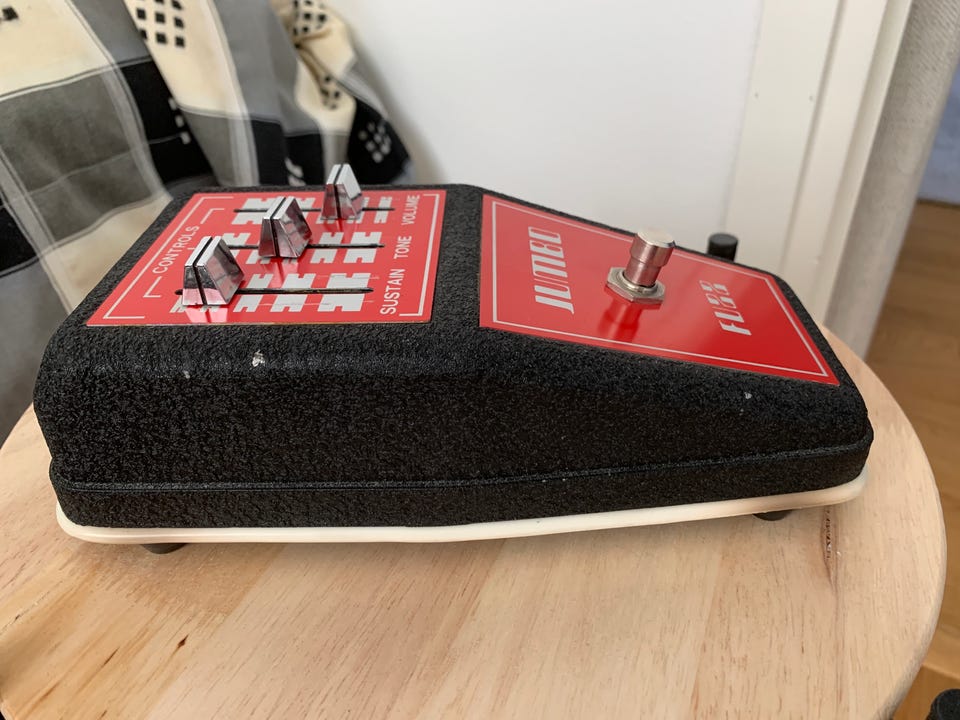
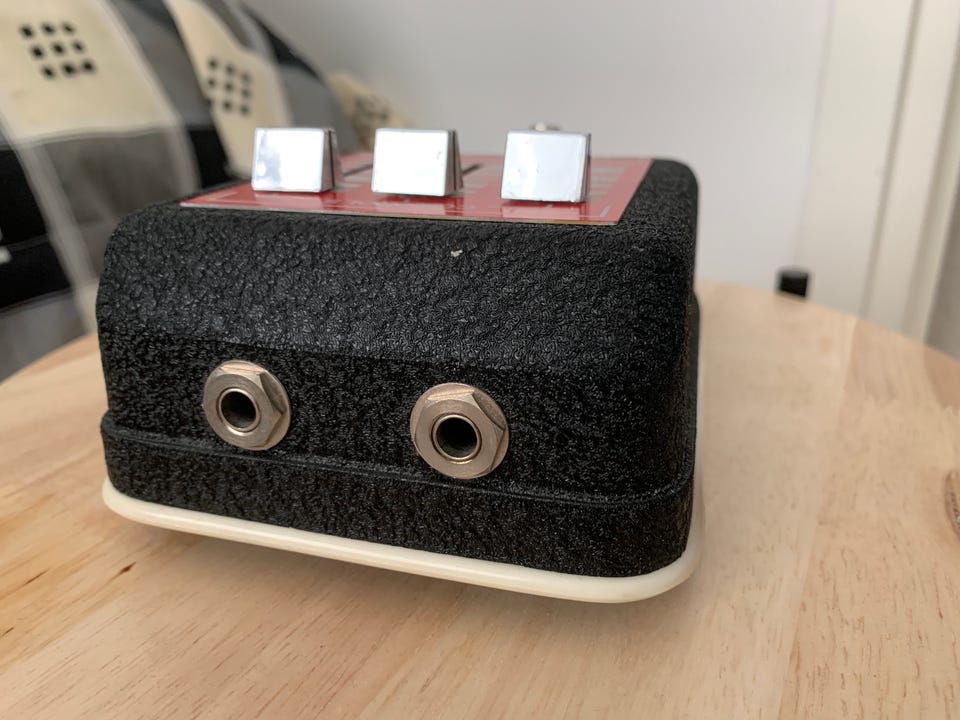
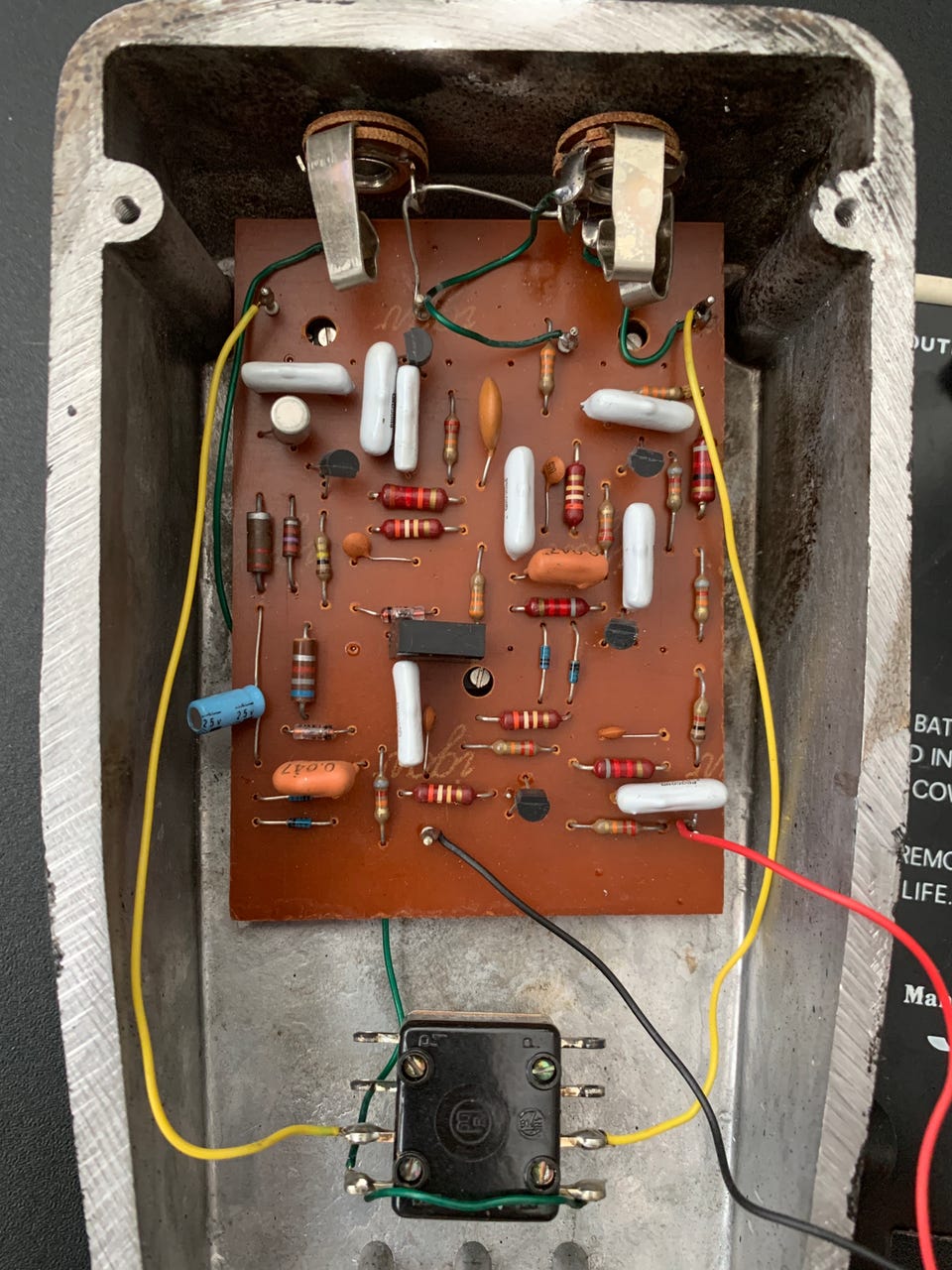
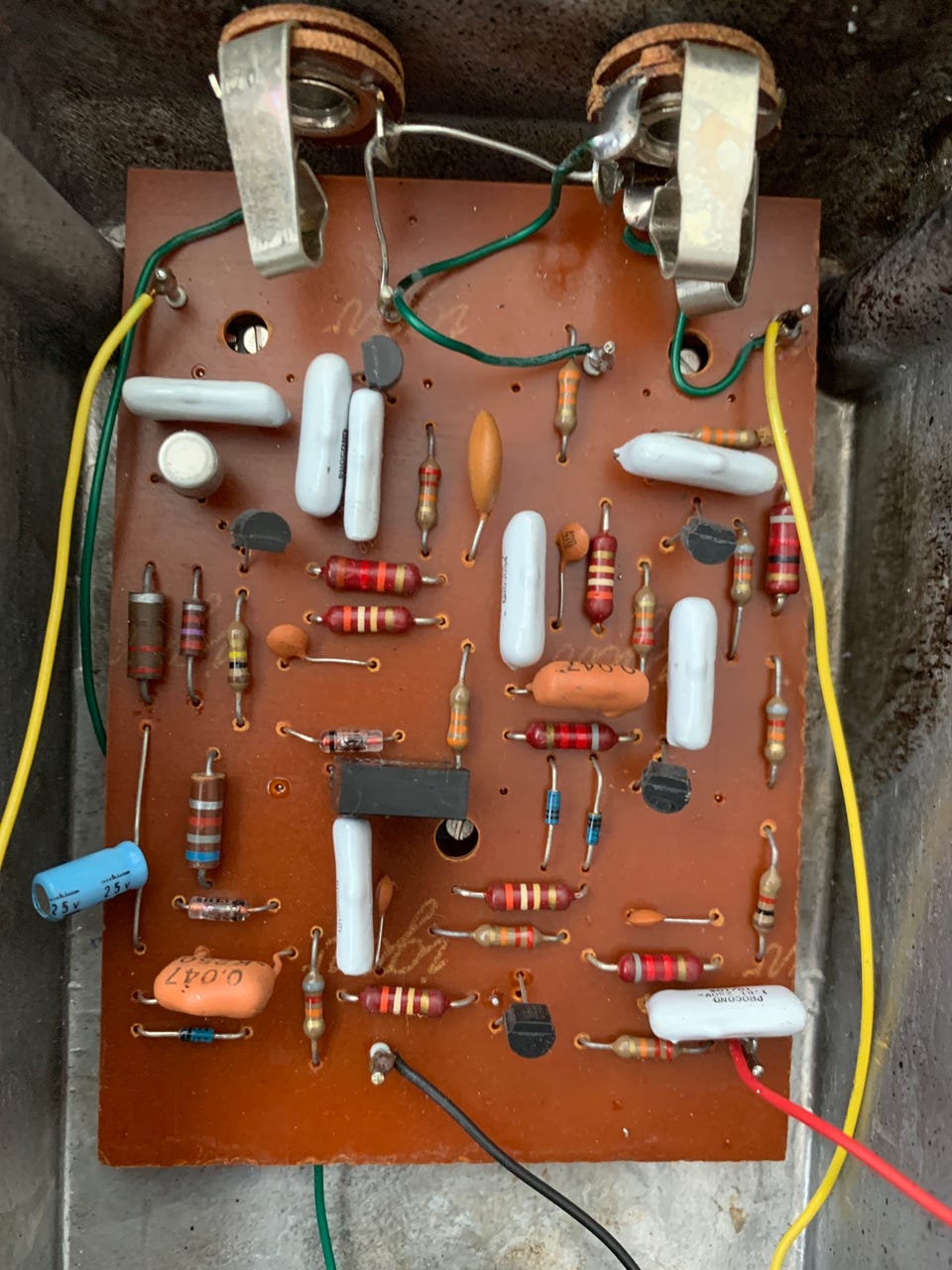
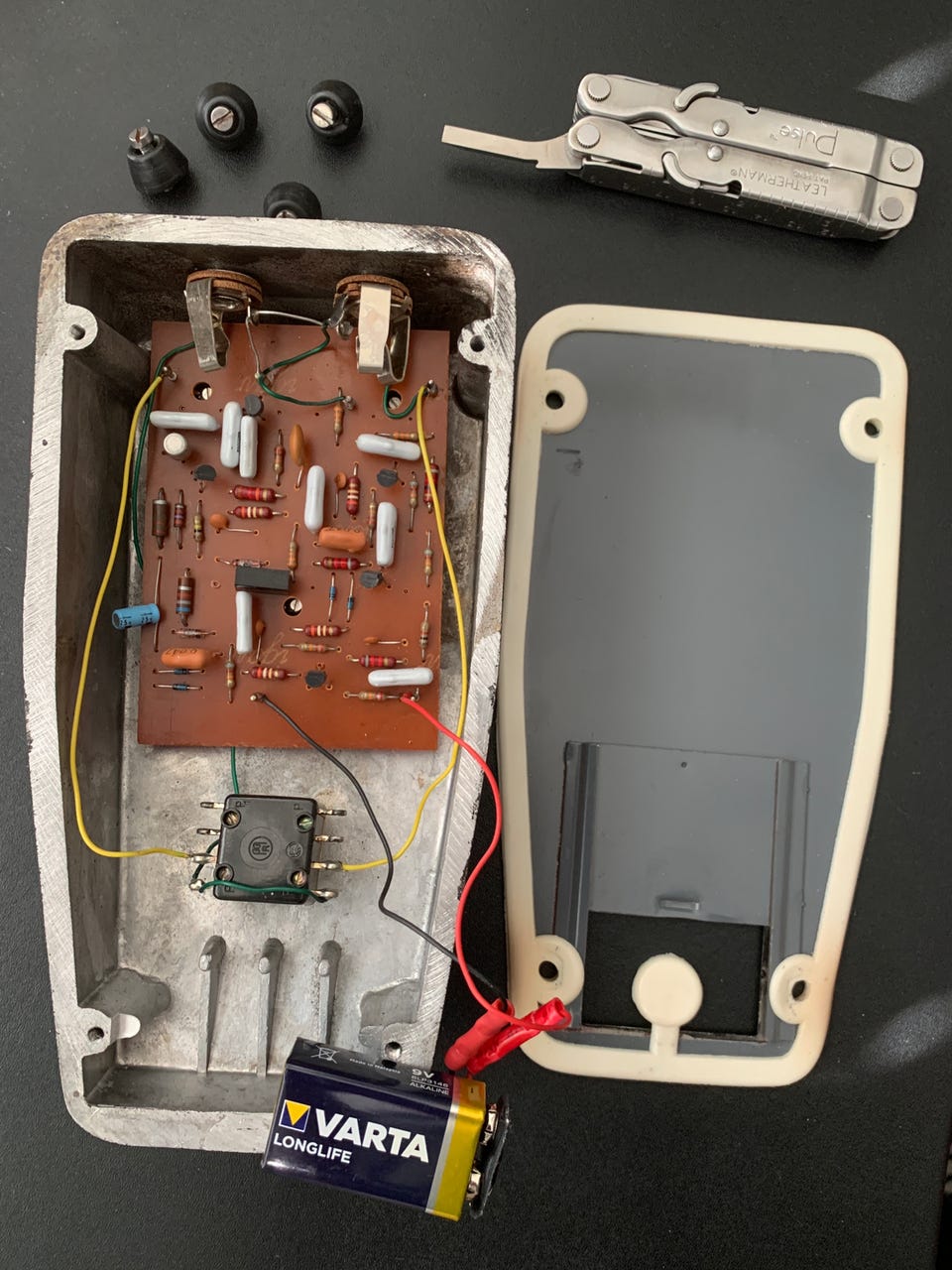
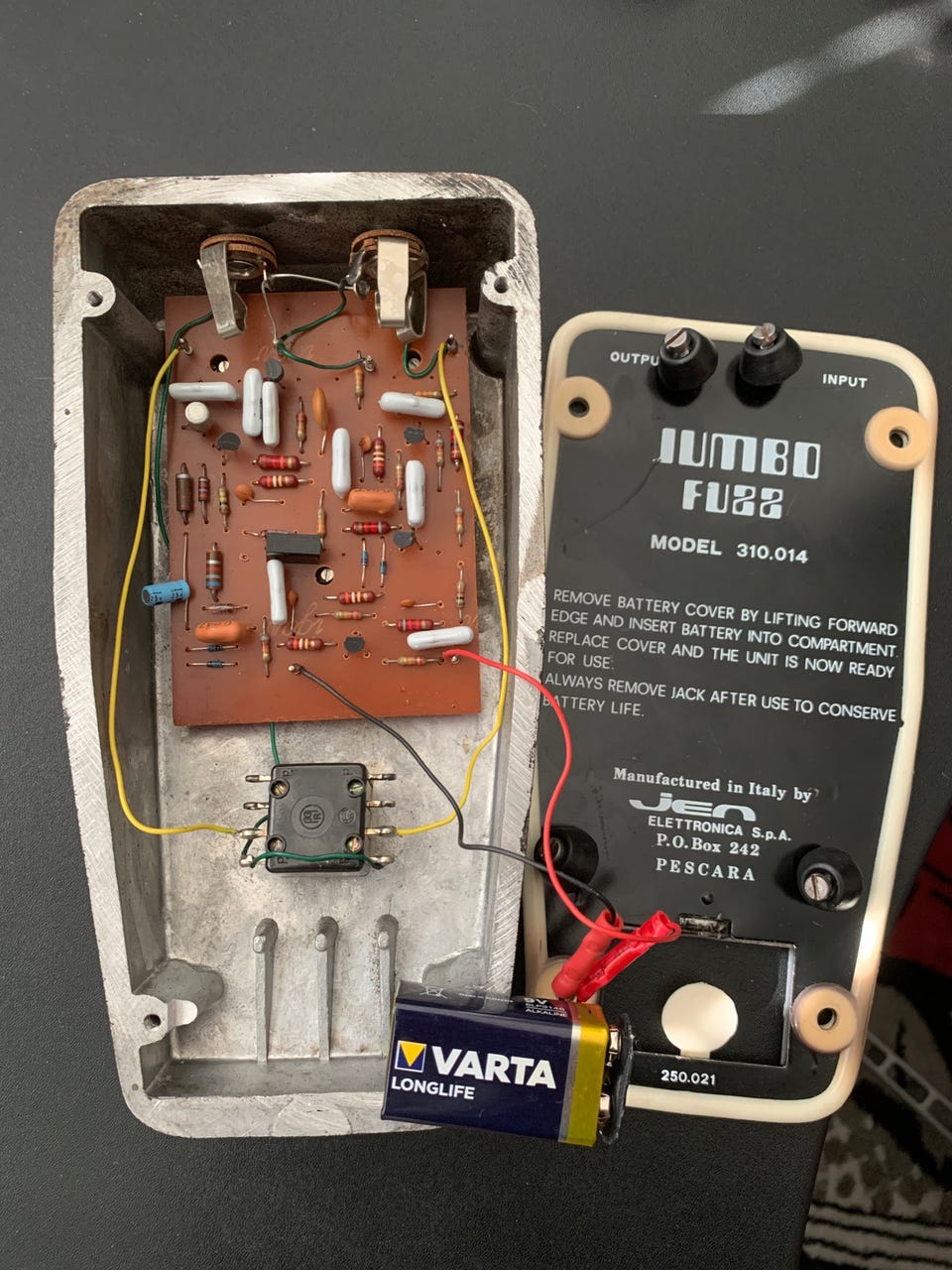
Jen Elettronica Jumbo Fuzz kitarapedaali. Fuzz-efektipedaali sähkökitaralle, valmistettu Italiassa. Pedaalissa on liukusäätimet sustain-, tone- ja volume-säätöä varten. Toimii paristolla, paristokotelo rungon alla. Sopii kitaristeille, jotka tarvitsevat fuzz-tyyppistä säröefektiä osaksi signaaliketjuaan. Tämä vintage pedaali on keräily harvinaisuus ja se toimii omaperäisellä 1970-luvun soundillaan moitteettomasti. Pedaalin kunto on myös testattu ammatilaisen toimesta Kitarapajalla Helsingissä heinäkuussa 2026. Ulkoisesti pedaali on loistavassa kunnossa. Pieniä käytön jälkiä on havaittavissa. Kuvat puhuvat puolestaan.
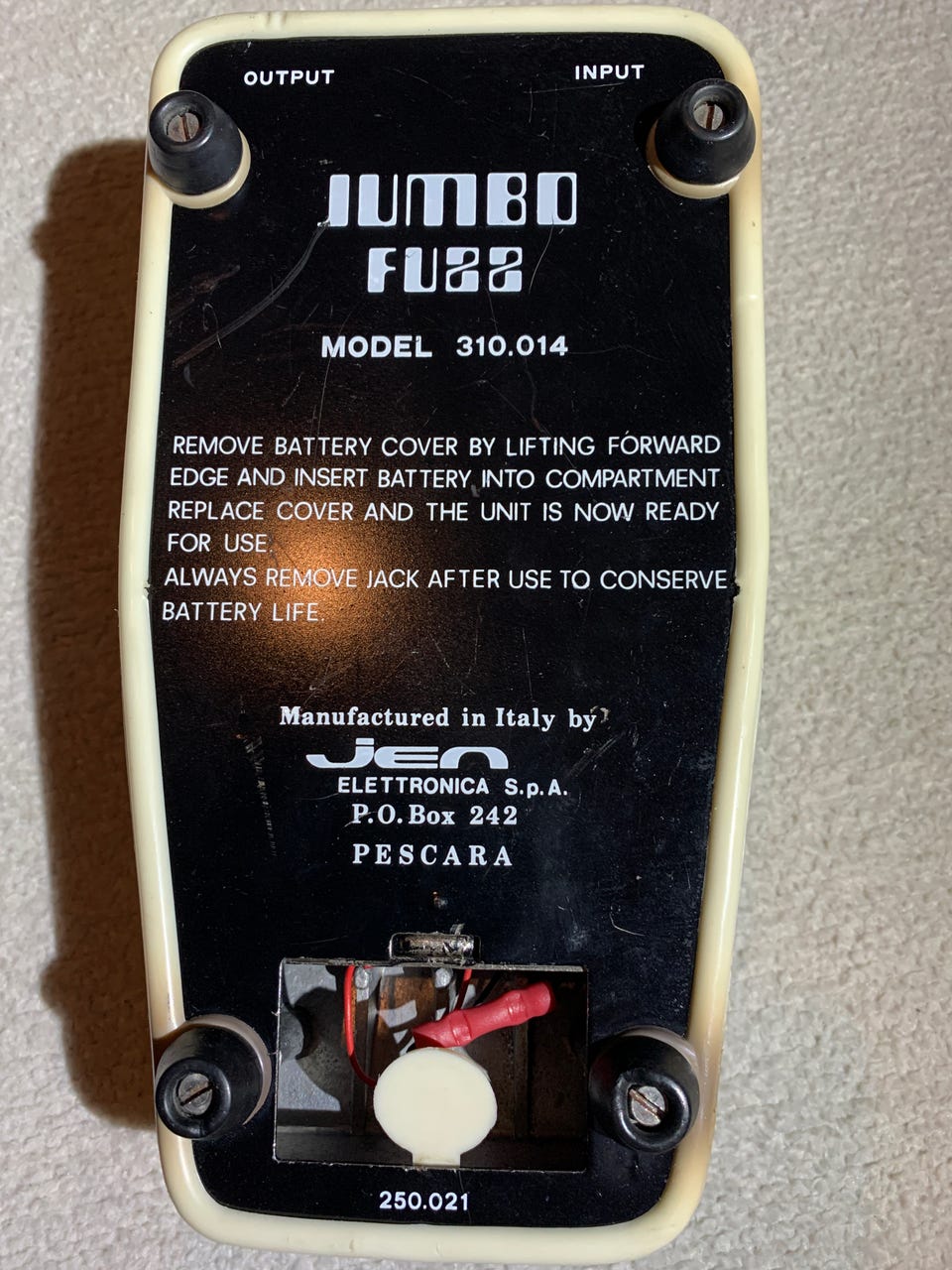
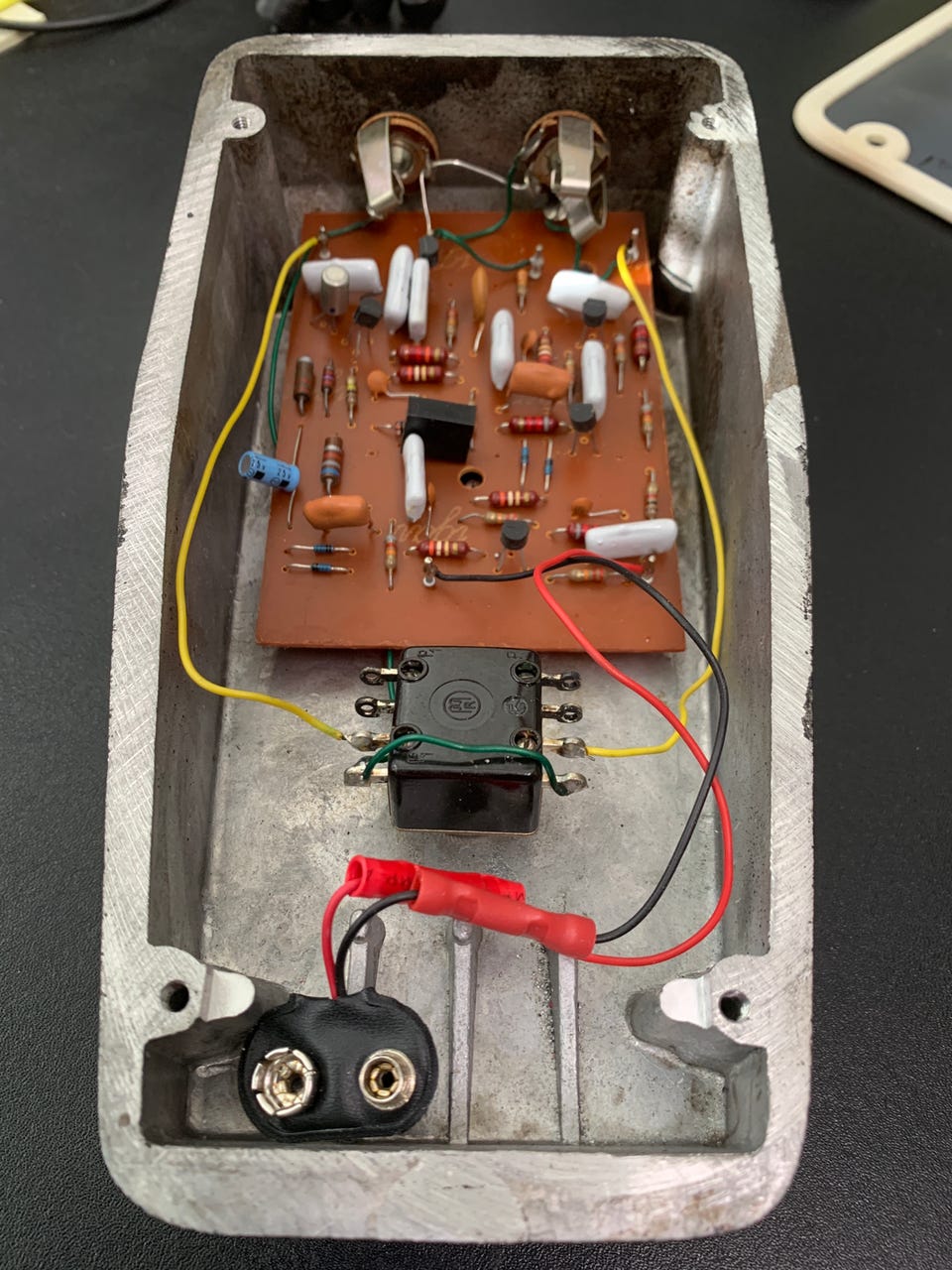
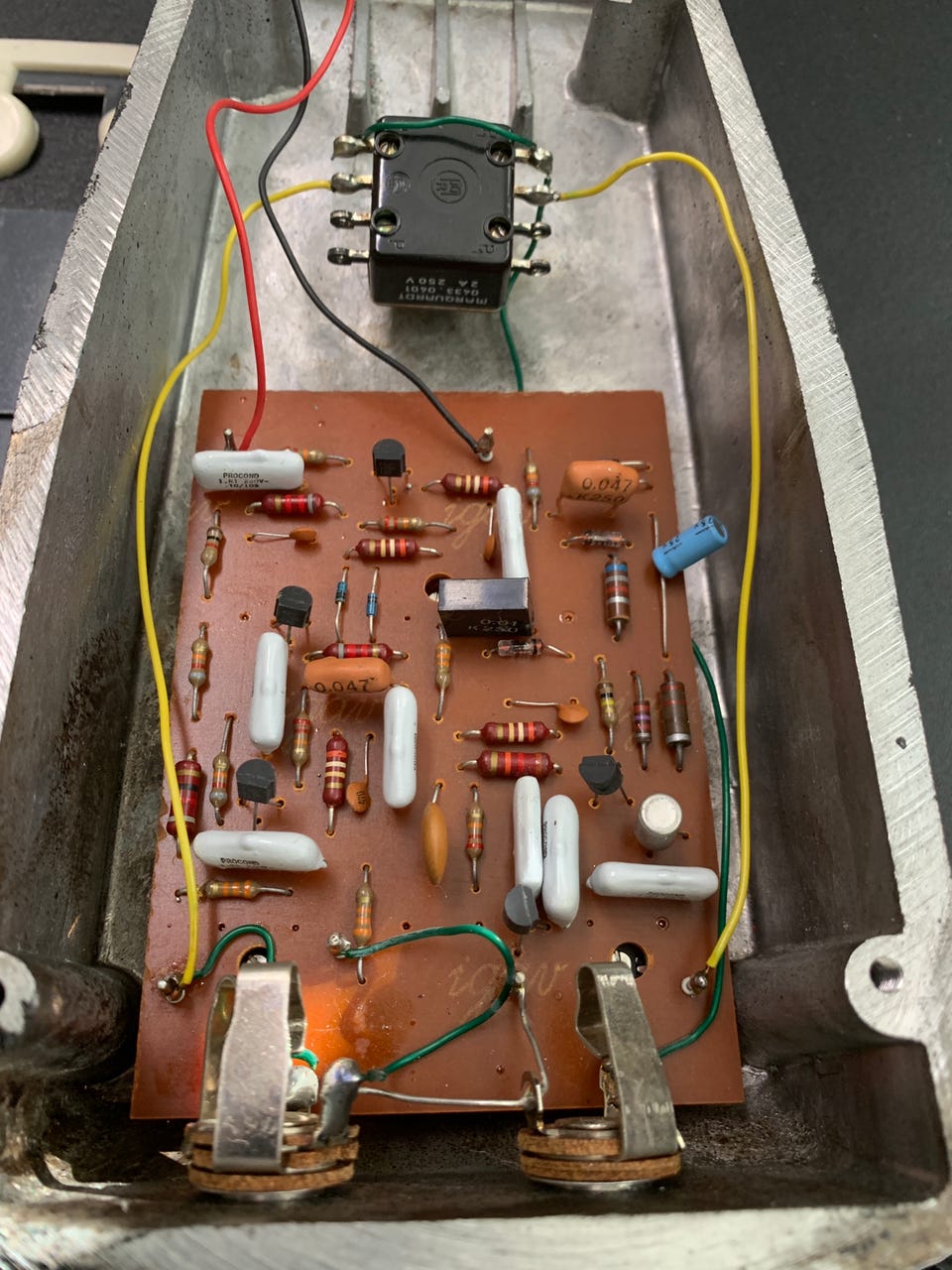
Rare and Vintage Jumbo Fuzz by JEN Elettronica in near mint condition and full working order. This pedal works great with no slider noise and is 100% original. Model 310.014 / 250.021. Pedal is in a great shape and works well. An item that has been used previously. The item may have some signs of cosmetic wear, but is fully operational and functions as intended.
More intel:
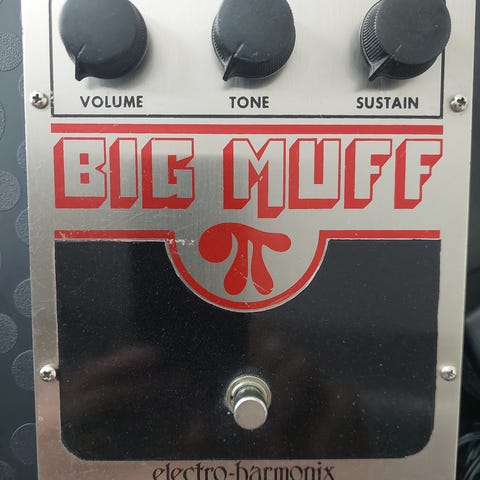
In the early 1970's Jen Elettronica, a large musical equipment manufacturer in Italy, got into the Big Muff clone market with the Jen Jumbo Fuzz. Jen was one of the largest OEM (original equipment manufacturer) musical electronics manufacturers in the Europe at the time. Around 1967 they got into the electronic effects pedal business, making pedals for Vox, Dallas Arbiter, Sound City, Elka, and JHS (John Hornby Skewes), among other brands. Two of the most famous pedals Jen made were the Vox version of the ToneBender in 1967, and the Vox Cry Baby Wah Wah pedal in 1968. The creation of Jen ties back to the original Cry Baby Wah Wah pedal origins. The Thomas Organ Company, a US manufacturer, secured rights from Vox in England to handle all Vox distribution and manufacturing for the USA market. American made Vox amplifiers were to be less expensive solid state designs, rather than expensive tube amps like their European counterparts. Brad Plunkett at Thomas Organ was tasked with making a cheaper version of the MRB (mid range boost) switch found on the European Vox amps. The Wah pedal circuit was the result, which Thomas Organ decided to market as a stand alone pedal in 1967.
Early Wah's were made in California, but Joe Benaron, president of Thomas Organ, wanted to move production to Italy to reduce costs. Joe approached the manufacturing company Eko in Italy about making the Wah. Eko declined, but Eko's manufacturing manager, Ennio Uncini, wanted to do it. Ennio and Joe then formed their own company in 1967 called JEN (named from the J in Joe and EN from Ennio). Ennio supervised operations in Italy, where Jen handled the Cry Baby Wah production for a while in 1968, as well as making the Vox Wah Wah's and other Vox pedals like the Vox ToneBender. Thomas Organ distributed the pedals in the USA, and Jennings Electronics Industries (run by Tom Jennings, owner of the Jennings Organ Company and former head of Jennings Musical Industries) distributed them for the European markets. Jen then began to market a line of pedals under their own brand in 1968. Many were sold in the US under Gretsch and Sam Ash brands. Thomas Organ patented the Wah circuit design, but by the time the patent was granted there were already dozens of copies of the pedal on the market. It was decided enforcing the patent was too expensive, so no attempt was made to stop the knockoffs. Jen then got into the market of cloning other company's pedals themselves.
Around 1973 Jen created a series of four brightly colored effect pedals in die cast enclosures, each with slider controls rather than knobs, and each using reworked circuits based on existing designs from other companies. One of these was the Jumbo Fuzz, which was also rebranded as the Dallas Arbiter Jumbo Fuzz in Europe, and the Sam Ash Jumbo Fuzz/Sam Ash Fuzzola II in the America. The enclosure used was simiar to Jen's black powder coated ToneBender case, but with recessed areas on the top for the color label plates to be applied. The same enclosure was also used by Jen for some Vox ToneBender production and the Unicord Fuzz. A key identifying and dating feature to the enclosure was the white rubber skirt edging used around the bottom cover, which was identical to the edging used on 1973 production of the the Dallas Arbiter Wah Baby, the Jen/Vox Cry Baby Wah, and the Jen/Vox Double Sound distortion wah pedal.
You would not know it from the looks, but inside Jumbo Fuzz was a modified Big Muff Pi circuit. Component values seem to be based on a few V1 Triangle Big Muff circuits, with the 470pF caps from the 1973 V2's thrown in for good measure. The really unique modification to this version of the circuit was the addition of a Germanium noise gate section to help tame this noisy circuit. It also had the effect of giving the muff some sputtery gated fuzz effects at the right setings. The gate includes two Germanium transistors and two Germanium diodes. The Sam Ash Jumbo Fuzz, Fuzzola II, and some Jen Jumbo's did not include the gate section components. Oddly, there is a 22k resistor in the gate section that was left in for the versions without the gate. From what I can see, it does absolutely nothing. There is also a 6.8k resistor in the gate that was omitted from many of the Jumbos, as well as extra holes for a 1k resistor going from the sustain pot to ground, just like in a standard Big Muff. Apparently it was only used on the Fuzzola II version.
Based on the Jen case style used, the numerical codes on the back, the techno font used (popular from 1972 into the 1980's), packaging style, and other OEM versions dated the same way, I estimate this pedal was made circa 1973-75. The Dallas Arbiter Jumbo Fuzz version first appeared in a 1973 Sound City (then owned by Dallas Arbiter) price list and catalog, which is the earliest appearance I have found for this pedal.
Käyttäjäprofiili

Kirjaudu sisään, jos haluat nähdä profiilin ja lähettää viestejä.
Ilmoituksen metatiedot
Viimeksi muokattu: 15.10.2026 klo 16.17 ・ Ilmoituksen tunnus: 38548918