Kuvagalleria
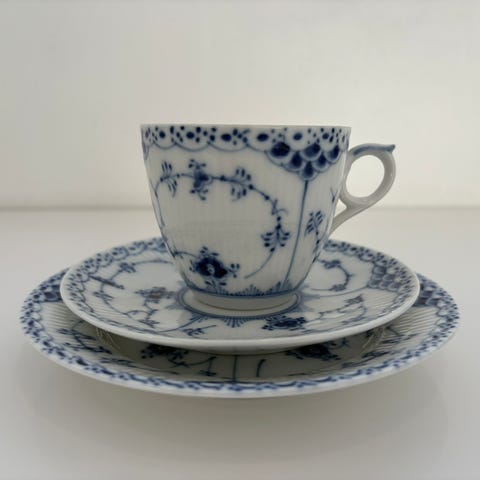
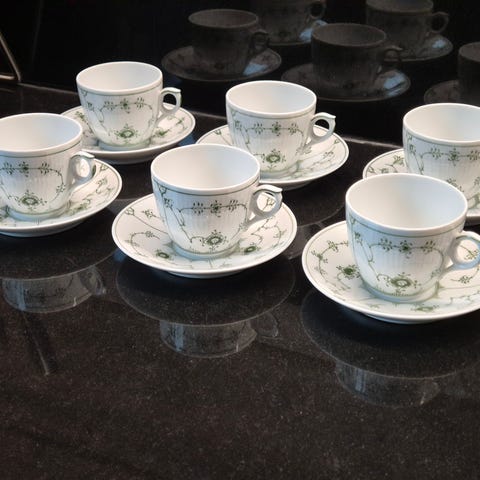
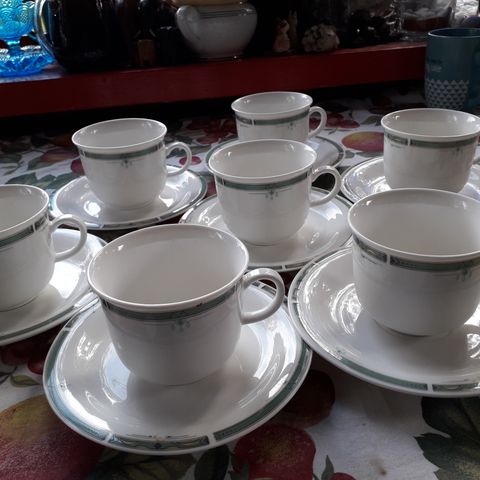
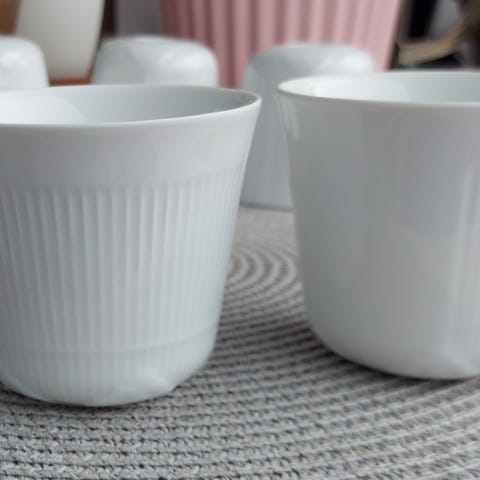
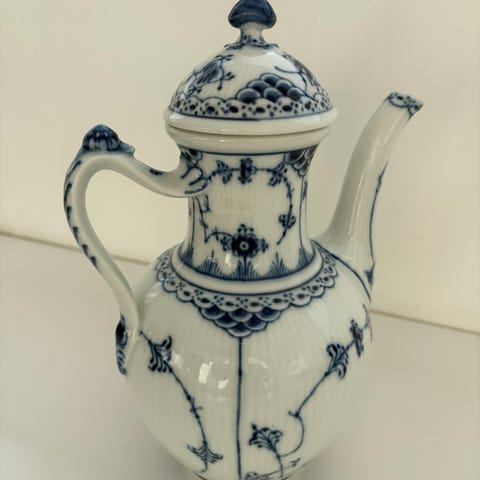
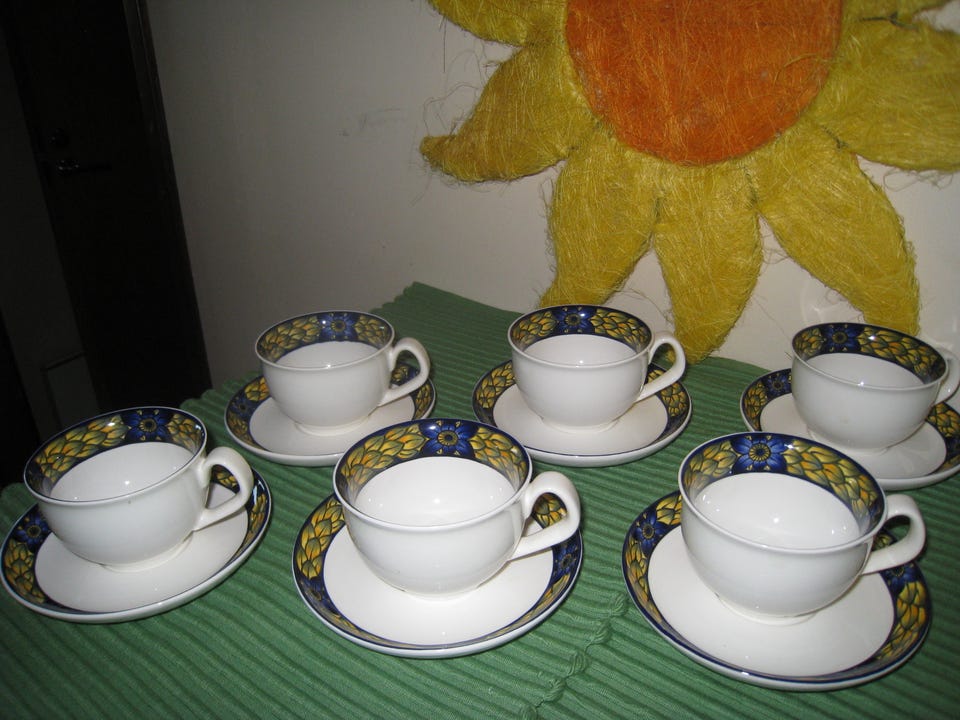
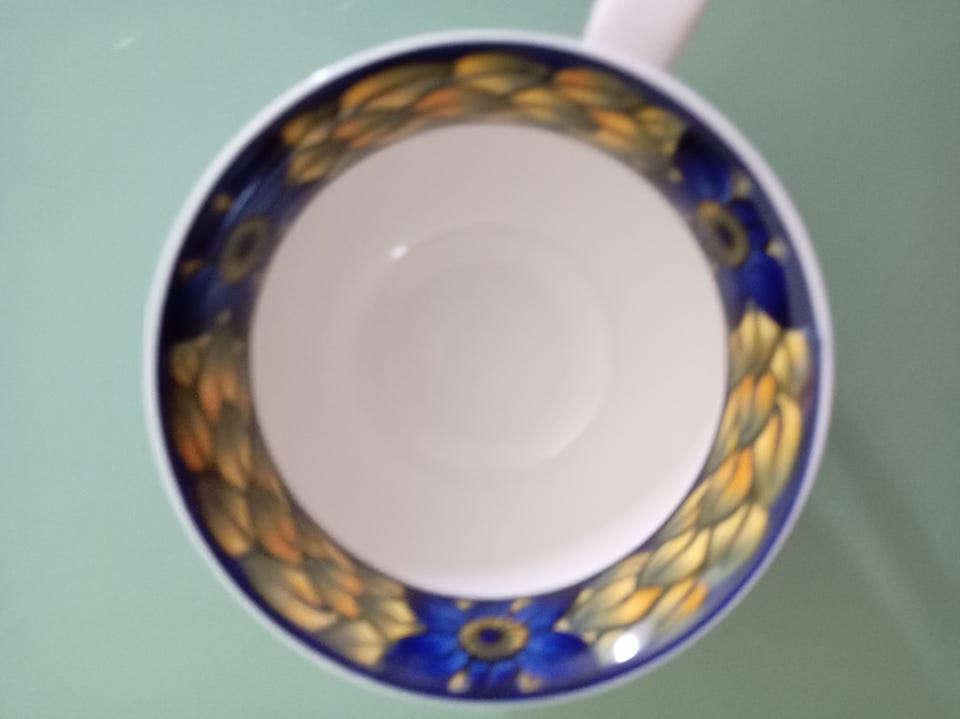
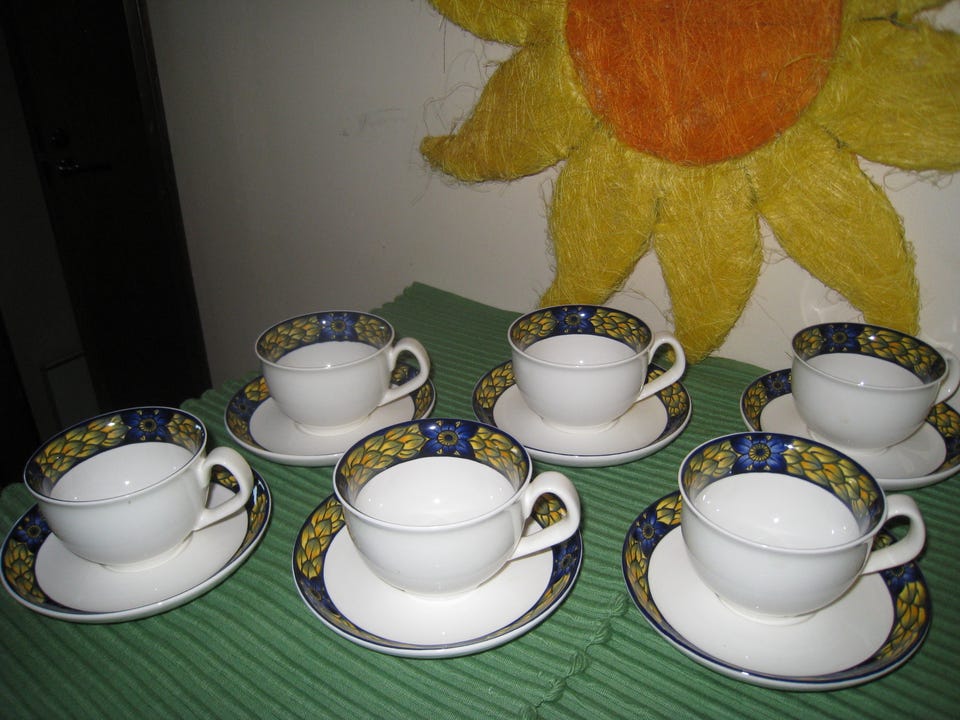
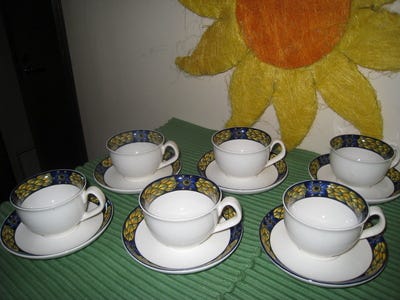
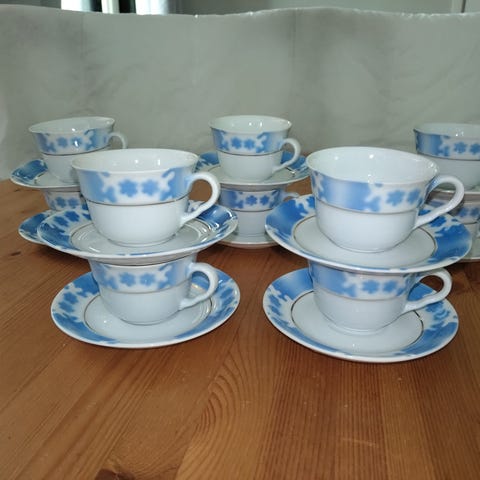
Royal Copenhagen kahvikupit 6 paria Tuo Koriste on kupin sisäpuolella
(1/6)
Royal Copenhagen kahvikupit 6 paria 200E Käyttämätön
Myydään
200 €
Toimitus alkaen 4,90 € + ToriDiili-palvelumaksu 10,75 €
Shoppaile ToriDiilillä kuin verkkokaupassa
Toimituksen jälkeen sinulla on 24 tuntia aikaa tarkistaa tavara. Jos tavarassa on jotain vialla, saat rahasi takaisin
Luo paketti
Osta enemmän samalta myyjältä ja maksa vain yhdet toimituskulut.
Tuotteen kuvaus
Kunto: Uusi
Merkki: Royal Copenhagen
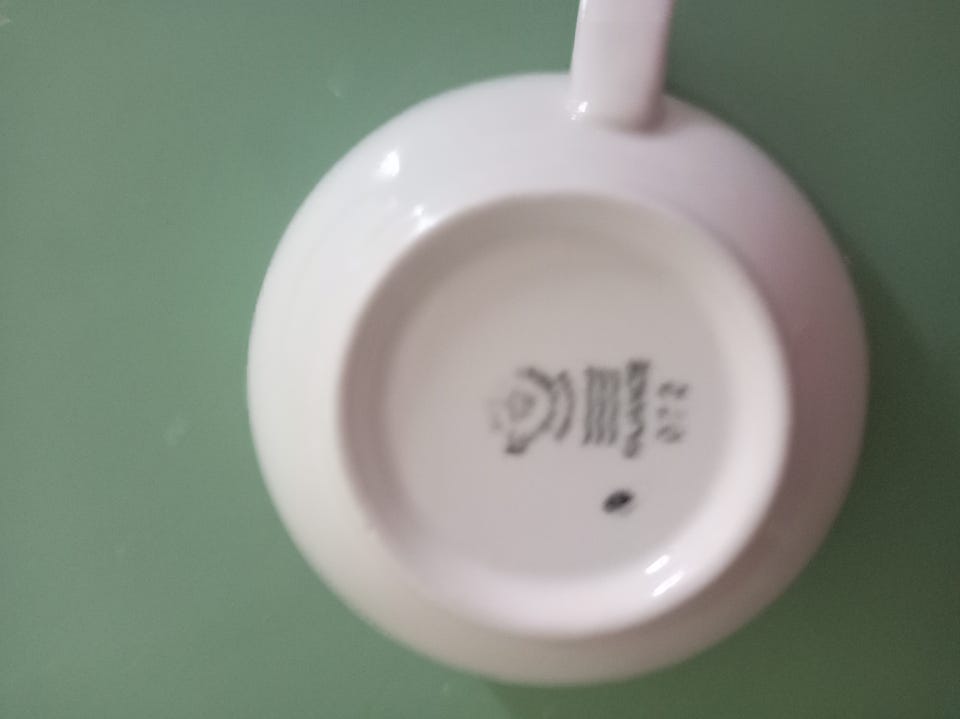
Royal Copenhagen, officially the Royal Porcelain Factory (Danish: Den Kongelige Porcelænsfabrik), is a Danish manufacturer of porcelain products and was founded in Copenhagen in 1775 under the protection of Danish Dowager Queen Juliane Marie. It is recognized by its factory mark, the three wavy lines above each other, symbolizing Denmark's three waterways: Storebælt, Lillebælt and Øresund.
Starting in the 17th century, Europeans, long fascinated by the blue and white porcelain exported from China during the Ming and Qing dynasties, began to imitate the precious ware. The Royal Copenhagen manufactory's operations began in a converted post office in 1775. It was founded by chemist Frantz Heinrich Müller who was given a 50-year monopoly to create porcelain. Though royal patronage was not at first official, the first pieces manufactured were dining services for the royal family. Johan Theodor Holmskjold was appointed as the first director-in-chief of the company.
When, in 1779, King Christian VII assumed financial responsibility, the manufactory was styled the Royal Porcelain Factory. Holmskjold headed the operations until his death in 1793.
The Royal Porcelain Factory was headed by pharmacist Ludvig Manthey from 1796 to 1811.
The company was later headed by Carl Wilhelm Bergsøe (1800–1861. He was the father of writer Wilhelm Bergsøe whose childhood memories served as inspiration for his novel Fra den gamle fabrik.
In 1851, Royal Copenhagen showed its production at the Great Exhibition in London. In 1868, as a result of royal companies' privatization, the Royal Porcelain Factory came into private ownership and was sold at auction. The buyer was businessman Gustav Adolph Falck (1833–1892).
Royal Copenhagen 2010 plaquettes: Numbered and named cobalt blue decorated plates depicted a variety of scenes, holidays, years, and occasions. Most commonly round, they measured about 8 cm (3-1/4") in diameter, with a blue scene on white background.
Larger, approximately 18.5 cm, blue on white cobalt blue decorated plates, created annually for Mother's Day, the Olympics and other commemorations. Some weren't annual issues, instead depicted scenes. In 1895, Royal Copenhagen began producing annual Christmas plates, and continue to do so.
Porcelain pipes, beginning in 1969 and manufactured for about 15 years.
An American porcelain collector commissioned a hand-painted hippopotamus service, completed in 2006.
The tradition of Christmas plates started hundreds of years ago in Europe, when wealthy people presented their servants with cakes and sweets, served on decorative plates of wood or metal at Christmas time. The servants referred to these gifts as their Christmas Plate. In 1895 Bing & Grøndahl produced the first Christmas plate made from porcelain, with the date inscribed, and has made one each year since. In 1908 the Royal Copenhagen factory followed suit. Each year these plates are made in limited quantities and have been collectable for over 100 years. Each plate is made in the year of issue only, after which the mould is destroyed, and the design is never made again.
Käyttäjäprofiili

Kirjaudu sisään, jos haluat nähdä profiilin ja lähettää viestejä.
Ilmoituksen metatiedot
Viimeksi muokattu: 2.9.2026 klo 7.48 ・ Ilmoituksen tunnus: 46437497